
Choosing the right type of care is one of the most important decisions you can make during recovery. Whether you are healing from surgery, managing a chronic condition, or supporting an older family member, understanding your options helps you recover safely and confidently.
Two of the most common care paths are home health care and outpatient therapy. Both offer valuable benefits, but they work differently and are suited for different needs. The challenge is knowing which one fits your situation.
At Kamelya Health Home, many families ask us the same question. “Should I choose home health care or go to an outpatient therapy center?” This blog breaks down the differences so you can make the right choice with clarity.
What Is Home Health Care
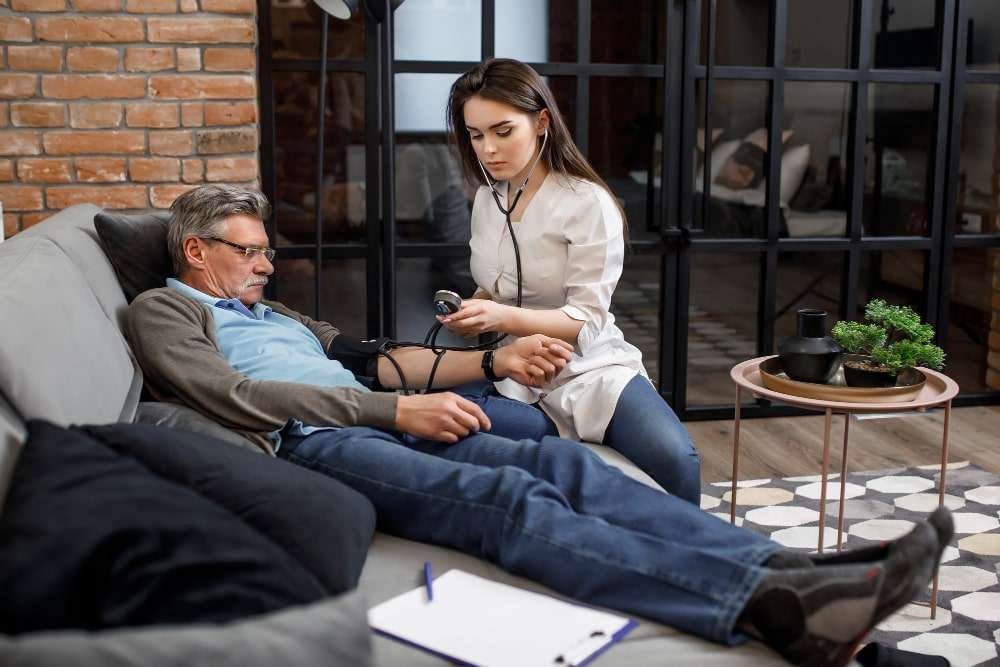
Home health care brings licensed nurses, therapists, and caregivers to your home. Patients receive medical support, therapy services, and daily living assistance without leaving their environment.
Home health care is ideal for patients who
- have limited mobility
- are recovering from surgery
- have chronic illness
- need regular monitoring
- require support in daily activities
- prefer healing in a peaceful and comfortable environment
The care is personalized and designed to fit the patient’s lifestyle, home conditions, and medical needs.
What Is Outpatient Therapy
Outpatient therapy refers to treatment received in a clinic or hospital setting. Patients visit the facility based on scheduled appointments for physical therapy, speech therapy, occupational therapy, or rehabilitation programs.
Outpatient therapy is ideal for individuals who
- can travel easily
- have stable health
- need advanced equipment
- require short-term therapy that does not involve daily monitoring
Patients typically receive therapy once or twice a week and return home afterward.
Key Differences Between Home Health and Outpatient Therapy
Understanding the differences helps you match your recovery needs with the right care.
1. Convenience and Mobility
Home health care removes all transportation barriers. Therapists come to your home, which is extremely helpful for seniors, individuals with disabilities, or those recovering from major surgeries.
Outpatient therapy requires patients to travel to the facility. If transportation is a challenge or mobility is limited, outpatient care becomes stressful and inconvenient.
2. Level of Medical Support
Home health care includes
- Skilled Nursing
- Medication management
- Wound care
- Chronic condition monitoring
- Therapy tailored to home activities
Outpatient therapy focuses mainly on rehabilitation exercises and speech or physical therapy sessions. It does not typically offer full-time clinical supervision.
3. Real Life Practice Environment
Playing out therapy in your actual living space helps you improve faster.
Home health therapy uses your
- furniture
- stairs
- kitchen
- bathroom
- daily routines
This makes recovery practical and realistic. Outpatient therapy uses simulated environments or equipment, which may not match your home setting.
4. Infection Risk
Hospitals and clinics treat many patients. This increases exposure to infections.
Home health care lowers this risk since you stay in a controlled and safe environment.
5. One to One Attention
In home health care, therapists and nurses focus entirely on you during the session.
In outpatient centers, therapists often work with multiple patients at the same time. This can reduce personalized attention.
6. Cost and Frequency
Home health care usually involves frequent visits and broader support, which some insurance plans cover.
Outpatient therapy may involve fewer sessions but requires travel costs and more effort in planning.
When Home Health Care Is the Better Choice
Home health care is ideal when you need
- recovery after a major surgery
- skilled nursing support
- help with daily activities
- monitoring of chronic illnesses
- personalized therapy at home
- speech therapy for children or adults
- support that involves family participation
- mobility assistance
- reduction of infection exposure
This option is also perfect for seniors who want to maintain their independence without leaving home.
At Kamelya Health Home, our home-based Skilled Nursing Care, Speech Therapy, and Disability Support programs are designed precisely for these needs.
When Outpatient Therapy Is the Better Choice
Outpatient therapy is suitable if you
- are able to travel easily
- need only weekly therapy sessions
- prefer clinical equipment for advanced exercises
- have stable health without daily monitoring
- need short-term rehabilitation
This option works well for younger individuals or active adults with mild to moderate therapy needs.
How to Decide Which Option Fits You
Ask yourself these questions
- Can I travel comfortably and safely?
- Do I need daily or frequent monitoring?
- Do I want therapy tailored to my home environment?
- Am I recovering from surgery that limits movement?
- Does my family need guidance in supporting me?
- Would staying home reduce stress and anxiety?
If most answers point toward comfort, safety, or convenience at home, then home health care is the right choice.
If you prefer structured clinical equipment or need only short sessions, outpatient therapy will work well.
The Kamelya Advantage: Personalized Care at Home
At Kamelya Health Home, we make recovery smoother, safer, and faster by bringing licensed nursing and therapy support right to your home. Our team focuses on
- comfort
- safety
- progress
- independence
From Skilled Nursing Care to Speech Therapy and Disability Support, our approach ensures that every patient gets a personalized plan that fits their condition and lifestyle.
Your recovery journey becomes easier when care meets you exactly where you are.
