
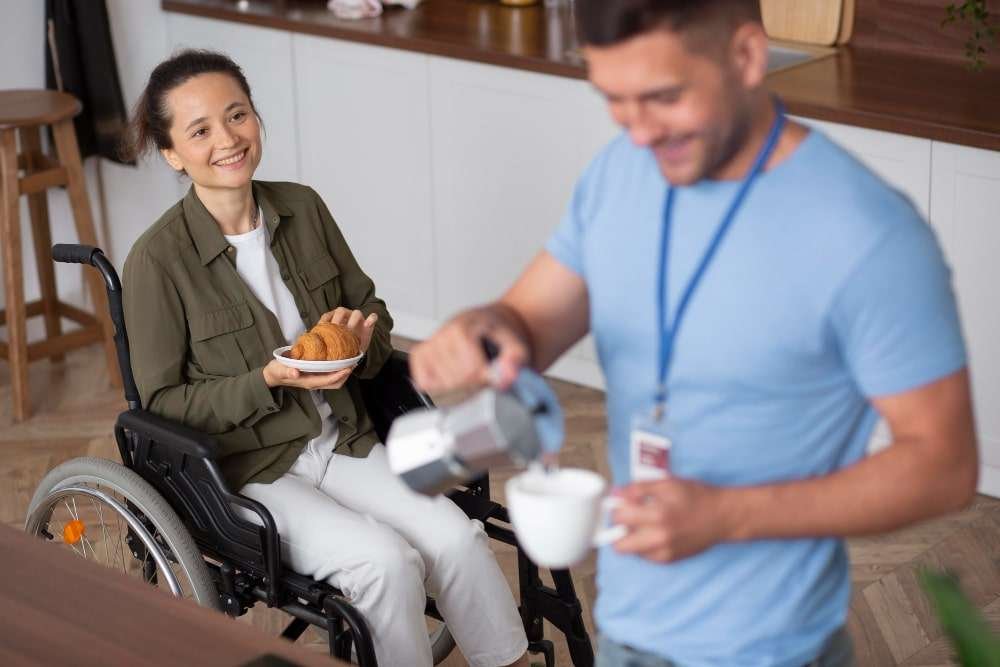
Living independently is not about doing everything alone. It is about having the right support, tools, and confidence to live life on your own terms. Disability support services play a powerful role in helping individuals achieve this independence by providing personalized care, improving daily living skills, and creating an environment where people feel capable, valued, and supported.
In today’s world, disability support has evolved far beyond traditional care. It focuses on empowerment, inclusion, and meaningful participation in everyday life. Here’s how these services make a real difference.
1. Personalized Care Plans Built Around Individual Needs
Every person’s abilities, challenges, and goals are unique. Disability support services start by creating customized care plans that focus on what the person can do, not just what they need help with.
These plans may include:
- Daily living assistance
- Social skill development
- Communication support
- Behavioral guidance
- Goal-based progress tracking
This personalized approach ensures care is never one-size-fits-all it is tailored for growth and independence.
2. Building Essential Daily Living Skills
Many individuals with disabilities want to manage their own households, routines, and personal needs. Support services help them develop these skills in a structured and encouraging way.
Key skills include:
- Personal hygiene and grooming
- Cooking and meal preparation
- Cleaning and organizing
- Budgeting and money management
- Using public transportation
- Safety awareness
These practical abilities build confidence and prepare individuals to live more independently.
3. Improving Communication and Social Confidence
Communication difficulties can often limit a person’s independence. Support services provide speech therapy, social skill training, and behavioral support to help individuals:
- Express themselves more clearly
- Build friendships
- Engage in community events
- Communicate needs and boundaries
- Function smoothly at home, school, or work
When communication improves, independence naturally follows.
4. Encouraging Community Participation
Independence doesn’t just mean staying at home it means becoming part of the community.
Disability support teams encourage individuals to:
- Join local groups
- Attend community programs
- Participate in sports or activities
- Take part in volunteering
- Build social networks
These experiences help individuals feel included, confident, and socially active.
5. Strengthening Emotional and Mental Well-Being
Support providers often work closely with behavioral and mental health specialists to foster emotional resilience. They help individuals:
- Manage anxiety or behavioral challenges
- Build coping skills
- Improve confidence
- Understand emotions
- Handle stressful situations
Emotional stability plays a major role in independent living.
6. Supporting Education and Employment Goals
Many people with disabilities aim for successful academic achievement or meaningful employment. Disability support services guide them through:
- Skill-building for work readiness
- Resume development
- Job coaching
- Workplace behavior training
- Educational assistance
These supports open the door to long-term independence and financial freedom.
7. Ensuring a Safe and Supportive Living Environment
A safe home environment is essential for independent living. Support services help individuals:
- Adapt their homes
- Follow medication schedules
- Maintain safety routines
- Learn emergency response skills
This reduces risks and increases confidence in living alone or semi-independently.
8. Empowering Families and Caregivers
When families feel supported, individuals thrive. Support providers work closely with caregivers to:
- Offer training and guidance
- Teach communication techniques
- Support behavior management
- Provide emotional relief
- Create a strong support network
Families become partners in the journey toward independence.
Final Thoughts
Disability support services empower people not by doing everything for them, but by giving them the skills, resources, and confidence to do things for themselves. Independence looks different for everyone and that’s okay. What matters is that each person gets the chance to live a life filled with dignity, purpose, and choice.
With the right support, independence is not just possible it is achievable.
